

Are there any environmental concerns related to microphone plastic housing?
Jun 16, 2026
Leave a message
In the dynamic world of audio technology, microphones play a pivotal role in capturing and transmitting sound. As a dedicated supplier of microphone plastic housing, I've witnessed firsthand the evolution of this industry. However, with the increasing focus on environmental sustainability, it's crucial to examine the potential environmental concerns related to microphone plastic housing.
The Prevalence of Plastic in Microphone Housing
Plastic has long been the material of choice for microphone housing due to its numerous advantages. It is lightweight, durable, and can be easily molded into various shapes and sizes. This flexibility allows for the creation of sleek and ergonomic microphone designs that meet the diverse needs of consumers. Additionally, plastic is relatively inexpensive compared to other materials, making it a cost - effective option for mass production.

However, the widespread use of plastic in microphone housing has raised several environmental concerns. One of the most pressing issues is the problem of plastic waste. Microphones, like many other electronic devices, have a limited lifespan. Once they become obsolete or malfunction, they often end up in landfills. According to a report by the United Nations, electronic waste is one of the fastest - growing waste streams globally, and plastic components are a significant part of this waste.
Environmental Impact of Plastic Production
The production of plastic for microphone housing also has a substantial environmental footprint. The manufacturing process of plastic involves the extraction and processing of fossil fuels, such as oil and natural gas. This extraction not only depletes finite natural resources but also releases large amounts of greenhouse gases into the atmosphere. For instance, the production of polyethylene, a common plastic used in microphone housing, requires significant energy and emits carbon dioxide during the polymerization process.
Moreover, the use of chemical additives in plastic production can have harmful effects on the environment. These additives, such as plasticizers and flame retardants, can leach into the soil and water, posing a threat to ecosystems and human health. For example, some flame retardants have been linked to endocrine disruption and other health problems.
Challenges in Plastic Recycling
Recycling is often touted as a solution to the plastic waste problem. However, recycling plastic from microphone housing presents several challenges. Firstly, microphones are complex devices that contain a variety of materials, including metals, electronics, and plastics. Separating these materials for recycling can be a difficult and costly process.
Secondly, not all types of plastic used in microphone housing are easily recyclable. Some plastics, such as polycarbonate and acrylonitrile butadiene styrene (ABS), require specialized recycling facilities. In many regions, these facilities are limited, which means that a significant amount of plastic from microphone housing ends up in landfills or is incinerated.
Sustainable Solutions
As a microphone plastic housing supplier, I am committed to addressing these environmental concerns. One approach is to use more sustainable materials in the production of microphone housing. For example, bio - based plastics, which are derived from renewable resources such as corn starch or sugarcane, can be a viable alternative to traditional petroleum - based plastics. These bio - based plastics have a lower carbon footprint and are often more biodegradable.
Another solution is to design microphones for recyclability. This involves using fewer materials, simplifying the design, and making it easier to disassemble the microphone for recycling. By working closely with manufacturers, we can develop innovative designs that minimize waste and make recycling more efficient.
In addition, we can promote the reuse of microphones. Instead of discarding old microphones, they can be refurbished and sold at a lower price. This not only reduces waste but also provides an affordable option for consumers.
Our Product Offerings
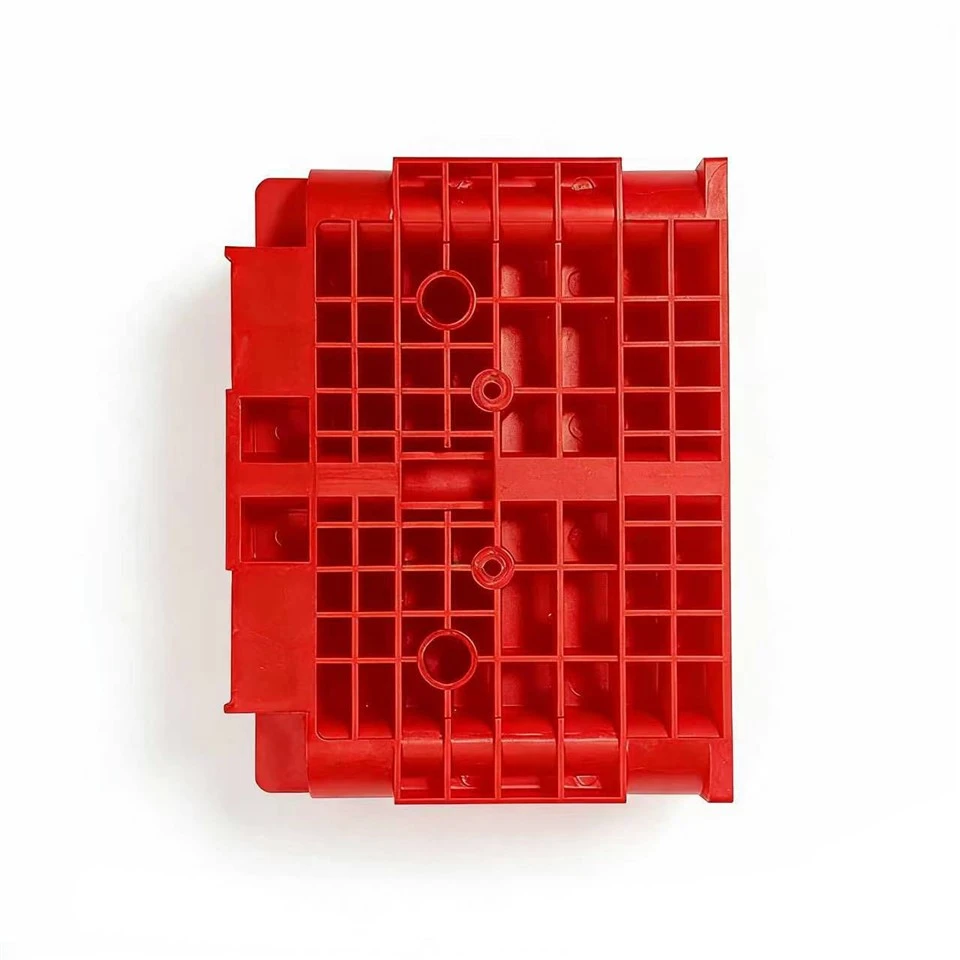
At our company, we offer a wide range of microphone plastic housing products. Our products are designed with both performance and environmental sustainability in mind. We also provide high - quality plastic parts for other applications, such as the Red 61 Stator End Plate, Limit Block, and Tweeter Mounting Brackets. These products are made from durable and, in some cases, sustainable plastics to ensure a long lifespan and reduced environmental impact.
Encouraging Contact for Procurement
If you are in the market for microphone plastic housing or other plastic parts, we invite you to reach out to us. Our team of experts is ready to assist you in finding the right products for your needs. Whether you are a small audio equipment manufacturer or a large corporation, we can provide customized solutions that meet your specifications. By choosing our products, you not only get high - quality plastic components but also contribute to a more sustainable future.
References
- United Nations Environment Programme. (2020). Global E - waste Monitor 2020.
- European Chemicals Agency. (2019). Hazardous Substances in Electronics.
- International Solid Waste Association. (2018). Recycling of Electronic Waste: Challenges and Opportunities.