

Are plastic plugs resistant to saltwater?
Jun 12, 2026
Leave a message
Hey there! As a plastic plug supplier, I get asked a ton of questions about our products. One of the most common ones is, "Are plastic plugs resistant to saltwater?" It's a great question, and I'm here to break it down for you.
First off, let's talk about why saltwater resistance matters. Saltwater is a harsh environment. It's full of minerals and salts that can corrode and damage materials over time. If you're using plastic plugs in a marine setting, like on a boat or in a coastal area, you need to make sure they can withstand the saltwater without degrading.
So, are plastic plugs resistant to saltwater? The answer is, it depends. Different types of plastics have different levels of resistance to saltwater. Some plastics are more resistant than others, and it also depends on the specific conditions they're exposed to.
Let's start with the types of plastics commonly used for plugs. One of the most popular plastics for plugs is PVC (polyvinyl chloride). PVC is a durable and versatile plastic that's known for its resistance to chemicals, including saltwater. It's often used in marine applications because it can handle the harsh conditions of the ocean. For example, our 6 Inch Pvc Plug is made from high-quality PVC and is designed to be resistant to saltwater.
Another type of plastic that's commonly used for plugs is polyethylene. Polyethylene is a lightweight and flexible plastic that's also resistant to chemicals. It's a good choice for applications where you need a plug that can bend and flex without breaking. Our 3 Inch Plastic Plug and 2 Inch Plastic Plug are made from polyethylene and are suitable for use in saltwater environments.
However, it's important to note that even the most saltwater-resistant plastics can still be affected by long-term exposure to saltwater. Over time, the salt and minerals in the water can cause the plastic to become brittle and crack. This is especially true if the plastic is exposed to high temperatures or UV radiation.

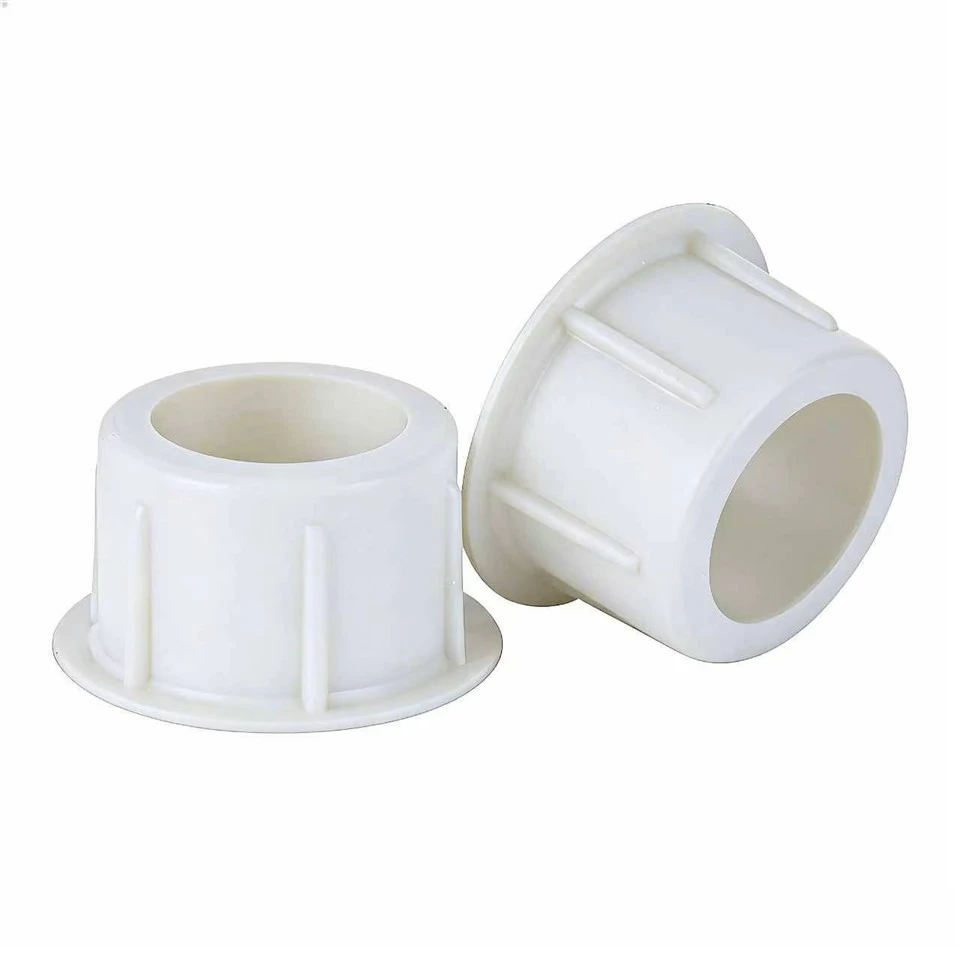
To ensure the longevity of your plastic plugs in saltwater, there are a few things you can do. First, make sure you choose the right type of plastic for your application. As I mentioned earlier, PVC and polyethylene are good choices for saltwater environments. Second, keep the plugs clean and dry. Saltwater can leave behind a residue that can damage the plastic over time. Regularly cleaning the plugs with fresh water can help prevent this. Third, avoid exposing the plugs to extreme temperatures or UV radiation. If possible, store the plugs in a cool, dry place when they're not in use.
In addition to choosing the right plastic and taking proper care of the plugs, it's also important to consider the design of the plug. A well-designed plug will have a tight seal that prevents saltwater from seeping in. This can help protect the plug from damage and ensure its longevity.
So, to sum it up, plastic plugs can be resistant to saltwater, but it depends on the type of plastic, the specific conditions they're exposed to, and how well they're cared for. If you're looking for plastic plugs that are suitable for use in saltwater environments, we've got you covered. Our 3 Inch Plastic Plug, 2 Inch Plastic Plug, and 6 Inch Pvc Plug are all made from high-quality materials and are designed to withstand the harsh conditions of the ocean.
If you have any questions about our plastic plugs or need help choosing the right one for your application, don't hesitate to reach out. We're here to help you find the perfect solution for your needs. Whether you're a boat owner, a contractor, or just someone looking for a reliable plastic plug, we've got the products and expertise to meet your requirements.
Contact us today to discuss your plastic plug needs and let's start a conversation about how we can work together. We're looking forward to hearing from you!
References:
- "Plastics in Marine Environments: A Review of Their Occurrence, Fate, and Effects" by R. C. Thompson et al.
- "The Chemistry of Plastics" by C. R. Austin
- "Marine Coatings: Principles and Applications" by K. L. Mittal