

Do plastic plugs have a good seal?
Sep 30, 2026
Leave a message
When it comes to industrial and plumbing applications, the effectiveness of seals is a critical consideration. Plastic plugs are commonly used to seal pipes, containers, and various openings, but the question remains: Do plastic plugs have a good seal? As a plastic plug supplier, I've had extensive experience in this field, and I'm here to explore this topic in detail.
The Basics of Plastic Plugs
Plastic plugs are made from a variety of materials, including PVC (polyvinyl chloride), polyethylene, and polypropylene. These materials offer different properties that can affect the sealing ability of the plug. PVC plugs, for example, are known for their durability, chemical resistance, and relatively low cost. They are widely used in plumbing systems, where they can prevent leaks and protect the contents of pipes from contamination.
Factors Affecting the Seal of Plastic Plugs
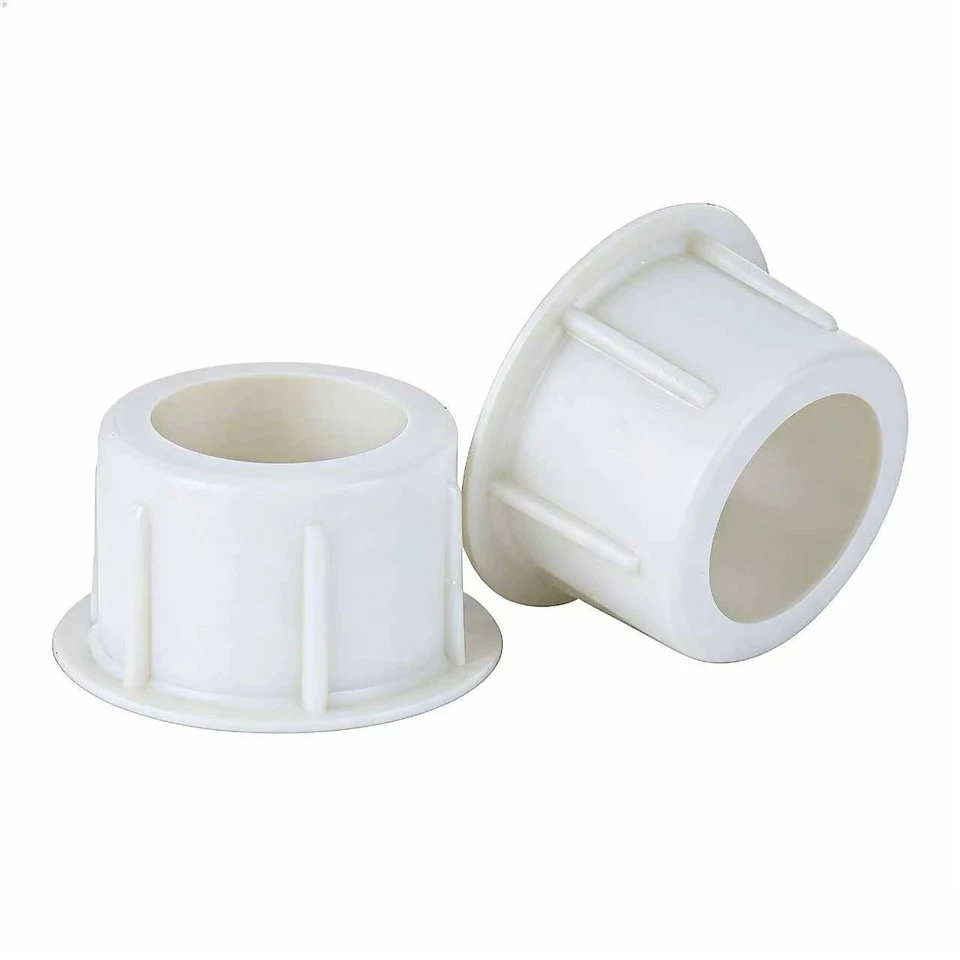
Several factors can influence the quality of the seal provided by plastic plugs. One of the most important factors is the fit. A properly sized plug that fits snugly into the opening will create a better seal than one that is too loose or too tight. The design of the plug also plays a role. Some plugs have a tapered shape, which allows them to expand slightly when inserted, creating a more secure seal. Others may have a ribbed or textured surface, which can increase friction and improve the seal.
The material of the plug is another crucial factor. Different plastics have different levels of flexibility, hardness, and chemical resistance. For example, a softer plastic may conform better to the shape of the opening, creating a tighter seal. However, it may also be more prone to damage or deformation. On the other hand, a harder plastic may be more durable but may not seal as well in irregularly shaped openings.
The environment in which the plug is used can also affect its sealing ability. High temperatures, chemicals, and pressure can all have an impact on the performance of the plug. For instance, if a plug is exposed to high temperatures, the plastic may expand or soften, which could lead to a loss of the seal. Similarly, exposure to certain chemicals can cause the plastic to degrade, reducing its effectiveness as a sealant.

Testing the Seal of Plastic Plugs
To ensure that plastic plugs provide a good seal, it's important to conduct proper testing. One common method is the pressure test. In this test, the plug is inserted into the opening, and a controlled amount of pressure is applied. If the plug can withstand the pressure without leaking, it is considered to have a good seal. Another method is the leak test, which involves filling the container or pipe with a liquid and checking for any signs of leakage around the plug.
In addition to these tests, it's also important to consider the long-term performance of the plug. A plug that provides a good seal initially may not maintain its effectiveness over time. Factors such as aging, exposure to the environment, and repeated use can all affect the seal. Therefore, it's important to choose a plug that is designed to withstand the specific conditions of its intended use.
Examples of Plastic Plugs with Good Seals
At our company, we offer a wide range of plastic plugs that are designed to provide a reliable seal. For example, our 1.5 Pvc Plug is made from high-quality PVC material and has a tapered design that ensures a tight fit. It is suitable for use in a variety of plumbing applications, including water pipes and drainage systems.
Our 6 Inch Pvc Plug is another popular product. It is larger in size and is often used in industrial applications, such as sealing large pipes or containers. The plug is designed to withstand high pressure and is resistant to chemicals, making it a reliable choice for demanding environments.
For smaller applications, our 2 Inch Plastic Plug is a great option. It is made from a durable plastic material and has a ribbed surface that provides a secure seal. This plug is commonly used in electrical enclosures, automotive parts, and other applications where a tight seal is required.
Conclusion
In conclusion, plastic plugs can provide a good seal when they are properly designed, sized, and installed. The key is to choose the right plug for the specific application and to ensure that it is tested and maintained regularly. At our company, we are committed to providing high-quality plastic plugs that meet the needs of our customers. If you are in the market for plastic plugs, we invite you to contact us to discuss your requirements. We look forward to working with you to find the best solution for your sealing needs.
References
- ASTM International. (2023). Standard Test Methods for Rubber Property - Compression Set in Low - Temperature, High - Temperature, or Compression - Deflection Conditions. ASTM D395.
- ISO 9001:2015. Quality management systems - Requirements. International Organization for Standardization.
- Plastic Pipe Institute. (2023). Plastic Pipe Handbook.